
Beyond the Dojo: Why Thousand-Layer Cloth Shoes Are the Next Wave in Natural Footwear
Meta Title: Beyond the Dojo — Cloth Shoes Are More Than Just Practice Shoes | LUNO
Meta Description: Thousand-layer cloth shoes have been worn for centuries — not just in tai chi or yoga, but as everyday footwear. Discover why they’re becoming a new fashion choice.
Slug: beyond-the-dojo-cloth-shoes-as-everyday-fashion
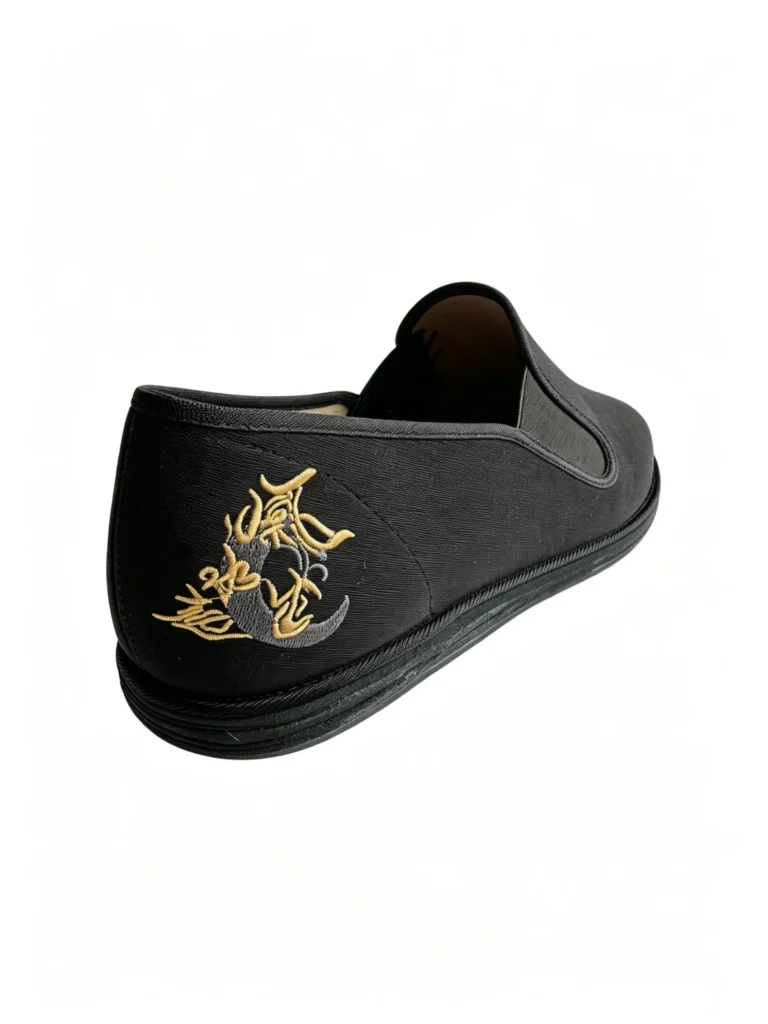
Most People Know Cloth Shoes for One Thing. They’re Wrong About Everything Else.
When most Western consumers hear “Chinese cloth shoes,” they think of one thing: tai chi. Or maybe yoga. The image that comes to mind is an elderly practitioner in a park, moving slowly through forms in loose cotton clothing.
There’s truth in that image. Cloth shoes have been the footwear of choice for tai chi, yoga, and martial arts practitioners for centuries — and with good reason. The thin, flexible sole provides unmatched ground sensitivity. The breathable natural fabrics keep feet comfortable through hours of standing and movement. The lightweight construction allows the foot to function as nature intended.
But here’s what the world hasn’t fully discovered yet:
Cloth shoes were never JUST practice shoes. They were THE shoes.
In China, hand-layered cloth shoes have been everyday footwear for over 500 years. Farmers wore them to the fields. Teachers wore them to school. Grandparents wore them to the market. Merchants wore them to trade. They were the default shoe for daily life — long before anyone coined the term “minimalist footwear.”
And today, we believe they deserve a second life. Not as a costume. Not as a niche exercise accessory. But as a genuine, everyday footwear choice for anyone who values comfort, natural materials, and craftsmanship.
Why Cloth Shoes Feel Different From the Moment You Put Them On
Let’s talk about what makes a cloth shoe feel different — and why that difference matters in daily life, not just on the yoga mat.
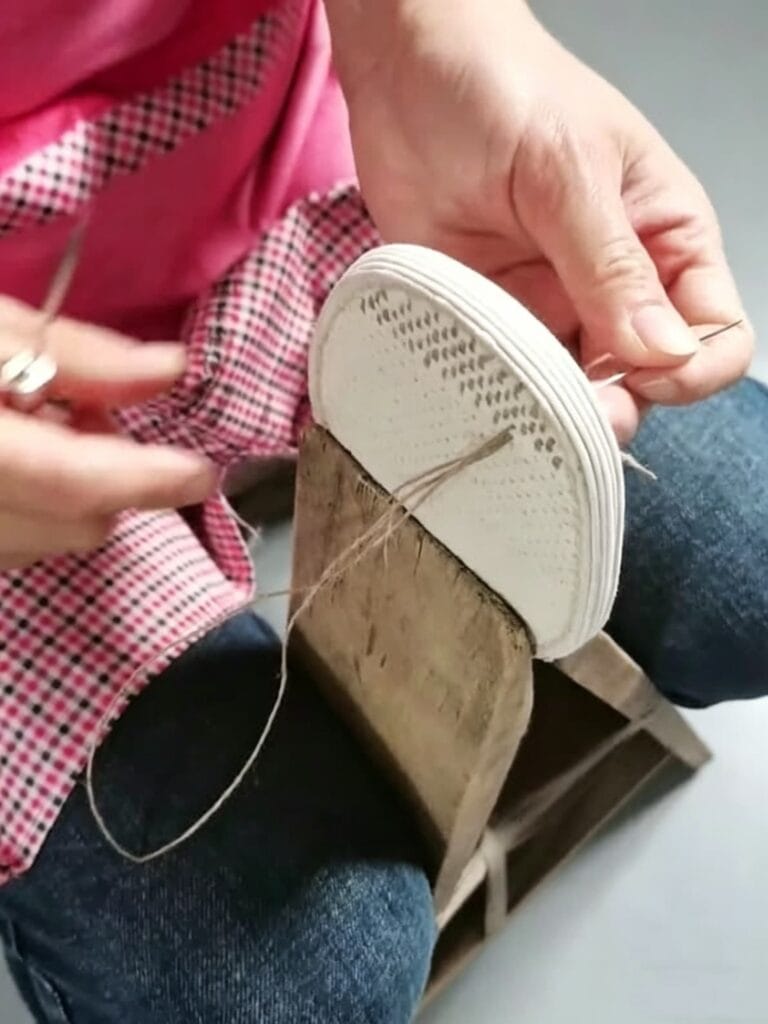
The Sole: 30+ Layers of Natural Cotton, Hand-Stacked
The foundation of every cloth shoe is the sole. At LUNO, each sole is built by hand — layer by layer of natural cotton fabric, stacked and stitched until they form a dense, flexible base. No synthetic foam. No rubber compounds. No petroleum-based cushioning.
The result is a sole that:
- Breathes — natural cotton wicks moisture away from the foot
- Flexes — moves with your foot instead of fighting against it
- Grounds — you feel the surface beneath you, which improves balance and posture
- Lasts — a properly constructed layered cotton sole can outlive many synthetic alternatives
The Upper: Natural Fabrics That Your Feet Actually Want
Our uppers are stitched from natural woven fabrics — Venetian Wool (a fine, dense cotton weave), Cotton Twill, or Polyester Twill — depending on the style. Each fabric is chosen for how it feels against the skin, how it breathes, and how it ages over time.
Unlike synthetic shoe materials that trap heat and moisture, natural fabric uppers allow air to circulate. Your feet stay cooler, drier, and more comfortable — especially in warm weather.
The Construction: No Glue, No Shortcuts
The shoe upper is stitched directly to the sole unit using traditional hand-stitching techniques. No adhesive bonding. No heat-pressed assembly. The connection between upper and sole is mechanical — thread through fabric — which means it flexes naturally and can be repaired if needed.
This is a fundamentally different approach from mass-produced footwear, where everything is glued together on an automated line.
From Practice Gear to Everyday Fashion: The Shift That’s Happening
The global footwear market is changing. Three major trends are converging in a way that makes cloth shoes more relevant than ever:
1. The Rise of Minimalist & Natural Footwear
Brands like Vivobarefoot, Xero Shoes, and Groundies have built million-dollar businesses on one simple premise: your feet work better when you let them. Thin soles. Zero drop. Wide toe boxes. Natural materials.
Cloth shoes check every single one of these boxes — and they’ve been doing it for 500 years. The difference? A handcrafted construction process that mass-produced “minimalist” brands simply cannot replicate.
2. The Growing Demand for Sustainable, Natural Materials
Consumers are increasingly aware of what they put on their bodies — and that includes their feet. Synthetic shoe materials are essentially plastic. Polyester, nylon, EVA foam, rubber compounds — most of what goes into a modern sneaker is petroleum-derived.
Cloth shoes are the opposite. Cotton fabric. Cotton thread. Natural fiber insoles. The entire shoe is made from materials that can be traced back to a plant, not a refinery.
3. The Couple Matching & Coordinated Style Trend
One of the most exciting signs that cloth shoes are crossing over into fashion? Couples are wearing them together.
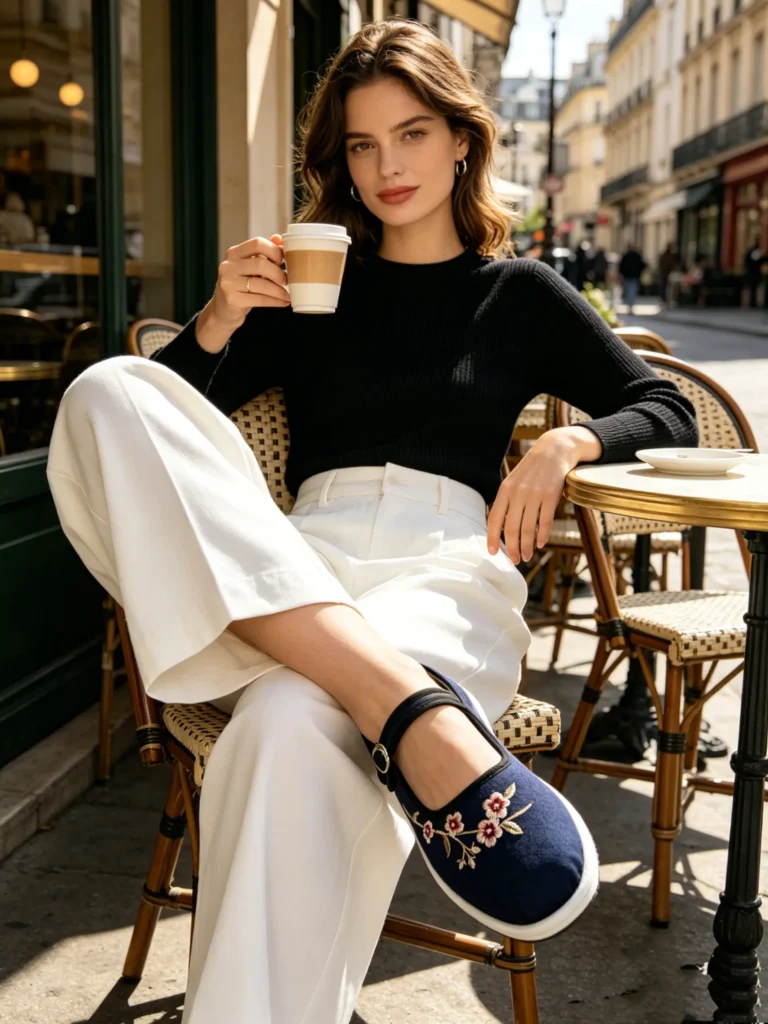
Not as a novelty. Not as a cultural statement. But as a genuinely good-looking, coordinated look that works with casual, natural-fabric outfits. Linen shirts. Cotton trousers. Earth tones. Simple elegance.
A matching pair of handcrafted cloth shoes says something different from matching sneakers. It says: “We both chose something real. Something made by hand. Something that connects us to a longer tradition.”
What This Means for Retailers & Wholesale Partners
If you’re a footwear retailer, yoga studio owner, martial arts school operator, or lifestyle shop buyer — here’s why cloth shoes should be on your radar:
✅ Expanding beyond the “practice” category
Don’t limit cloth shoes to your martial arts or yoga section. They work as:
Don’t limit cloth shoes to your martial arts or yoga section. They work as:
- Casual / lifestyle footwear
- Couple’s matching collections
- Sustainable / natural materials collections
- Artisan / handcrafted gift items
- Minimalist / barefoot footwear
✅ A product with a story customers actually want to hear
Every pair is hand-layered, hand-stitched, and hand-inspected. That’s not a marketing gimmick — it’s how every single pair is made. Your customers can see the workshop, meet the makers, and understand the process. The story sells itself.
Every pair is hand-layered, hand-stitched, and hand-inspected. That’s not a marketing gimmick — it’s how every single pair is made. Your customers can see the workshop, meet the makers, and understand the process. The story sells itself.
✅ Price points that work for retail margins
At wholesale pricing starting from $12-$15 per pair (depending on volume), cloth shoes offer strong retail margins while remaining accessible to consumers looking for quality handmade footwear.
At wholesale pricing starting from $12-$15 per pair (depending on volume), cloth shoes offer strong retail margins while remaining accessible to consumers looking for quality handmade footwear.
✅ Low minimum orders for testing
We understand that trying a new product category is a risk. That’s why our minimum order starts at just 5 pairs — enough to test the market without a big commitment.
We understand that trying a new product category is a risk. That’s why our minimum order starts at just 5 pairs — enough to test the market without a big commitment.
The Bottom Line
Cloth shoes are not a costume. They’re not a niche exercise accessory. They’re not a souvenir.
They are the original minimalist shoe — handcrafted from natural materials, designed to let your foot function the way it was meant to, and made with a level of care that mass production simply cannot match.
Whether you wear them to practice tai chi, to walk through the park, to meet friends for coffee, or to just feel the ground beneath your feet — they work. Because they were always meant to be worn for life, not just for practice.
Ready to explore what LUNO cloth shoes can do for your store, studio, or community?
About LUNO Shoes: Laiyang Luno Shoes Co., Ltd. is a small workshop in Shandong, China, specializing in traditional hand-layered cotton sole shoes. Every pair is made by hand — from the 30+ layer sole to the final stitch. We work with retailers, studios, and organizations worldwide who value craftsmanship, natural materials, and authentic heritage.